D1 Defend, Author at D1 Defend - Page 7 of 39 D1 Defend

D1 Defend, Author at D1 Defend - Page 7 of 39 D1 Defend

x

Collaboration Tools for Improved Productivity and Teamwork

The modern workforce has shifted significantly over the past decade. Previously, employees commuted to physical offices where they worked in person. More recently, many positions transformed into work-from-home opportunities that allow employees to work from almost anywhere with internet access.

Remote work comes with its own challenges, like encouraging collaboration and securing staff productivity. Collaboration tools for improved productivity and teamwork provide fantastic opportunities to streamline the remote experience.

What Are Collaboration Tools?

Collaboration tools are digital tools that enhance and simplify interactions between team members. If a business in Colorado wants to hire experienced talent from Florida and Maine, effective collaboration tools can connect remote employees.

Tools like video conference software, virtual whiteboards, and file-sharing tools facilitate consistent interaction, organized operations, and convenient communication among each team member regardless of location.

All the team needs is a solid internet connection, a computer or similar device, and a conducive atmosphere to facilitate their focus. A multi-faceted collaboration tool that allows file sharing, video conferencing, note drafting on different projects, and project planning. It has an intuitive interface that encourages organization and use.

One case study available on ScienceDirect outlined the variation among popular collaboration packages, including:

  • Collaboration tools: a tool designed with one feature upon which the tool optimizes and perfects for user experience
  • Collaboration suites: a bundle of applications working together cohesively
  • Collaboration applications: a single, streamlined system with numerous features that stands alone from other tools, suites, and applications

Benefits of Collaboration Tools for Productivity and Teamwork

Collaboration tools offer many benefits, including:

  • Saved money: One study by Deloitte showed that better collaboration could increase sales by up to 27%.
  • Better communication and morale:  Collaboration in the workplace has shown a 17% increase in employee satisfaction.
  • Improved efficiency: Collaborative employees are 50% more efficient at completing tasks.

The boost in productivity depends on the collaboration product used. If a company has a large remote staff with members who perform specific tasks, it may benefit from suites that connect all people regardless of their responsibilities. Smaller teams could benefit from applications that keep their work and communications in one place accessible to all. Teams of just one or two other people can utilize one or a few collaboration tools.

How to Integrate Collaboration Tools into Business Workflow

The key to improving productivity with any collaboration tool is considering the team’s size and needs. Companies should also prepare to evolve their approach and select new tools that accommodate the business’s growth and operational needs.

Answer the following questions based on current collaborative efforts to see what tools could benefit

  • What features would improve the way we operate?
  • What products best fit our budget and staff size?
  • Is my team more comfortable with more rudimentary or advanced technology?
  • Will we need other tools to meet other operational ends?

If a team needs video conferencing capabilities coupled with an interface that centers creativity, they could combine Zoom or Skype with an application like Clickup. A larger team of 15 or more people might benefit from Google Suite or Microsoft Suite.

Collaboration tools for improved productivity and teamwork can take remote staff to the next level.

Used with permission from Article Aggregator

TMX Finance Data Breach: What You Need to Know

TMX Finance has been providing underserved consumers with credit products since 1998. Unfortunately, the company suffered a massive data breach that went undetected for months. It involved all TMX subsidiaries, namely TitleMax, InstaLoans, and TitleBucks. The incident affected over 4.8 million customers across all its services.

A Timeline of the TMX Finance Data Breach

The data breach happened in December 2022. It was detected on Feb. 13, 2023. It took another two weeks to perform an investigation. On March 1, TMX determined that the threat actors siphoned data between Feb. 3-14, 2023. The breach exposed sensitive customer information, including names, addresses, social security numbers, and financial account details.

TMX has notified the affected customers about the data breach. However, the company has yet to disclose how the hackers accessed its network.

What Is TMX Finance Doing to Address the Data Breach?

TMX’s investigation is ongoing, and the company disclosed its efforts to address the data breach. It continues to monitor its systems and watch for suspicious activity. TMX has also tightened security by resetting employee passwords and implementing endpoint monitoring and protection. The company has also reported the incident to the FBI.

TMX is offering free identity protection and credit monitoring to help safeguard customers’ data. It has partnered with Experian IdentityWorks to provide these services for 12 months. Aside from enrolling in these programs, customers can request a credit freeze. Hackers usually share or sell stolen personal information, so affected individuals must stay vigilant. They must review account statements and credit reports to catch fraudulent activities.

Keeping Your Business Safe From Data Breaches

The TMX Finance data breach shows that businesses cannot relax regarding security. When confidential information is at risk, companies must do better to protect their customers. To do this, businesses should use strong security tools like firewalls and systems that watch for break-ins.

Besides using strong security tools, businesses should monitor their systems and ensure everything is updated with the latest safety features. Training employees on how to keep information safe is also essential. The first line of defense is strong passwords.

Additionally, having a plan ready in case something goes wrong can help a business fix the problem quickly and with less damage. Slow response times can lead to irrecuperable losses. That is why all business owners must implement a data breach response plan to ease the impact of a cyberattack. A well-thought-out strategy ensures employees know their roles in monitoring, responding to, and containing a breach.

Used with permission from Article Aggregator

From Insight to Action: How Data Analytics Can Help Your Business Grow

Companies of all sizes have unparalleled access to information in today’s digital era. Data created by a business may give significant insights into its operations and performance, from customer interactions and sales numbers to staff efficiency and market trends. 

One of the most important ways companies can use technology to make smarter decisions is by utilizing data analytics. Businesses may obtain a greater understanding of their consumers, markets, and operations by gathering, organizing, and analyzing data and using this information to influence their decision-making process. There are various ways for businesses to employ technology for data analytics, including: 

Cloud-based data storage and analytics: Using cloud computing for data storage and analysis allows organizations constant access to their data from any device. With a variety of tools and services for gathering, storing, and analyzing data, cloud-based data storage and analytics systems, like Google Cloud or Amazon Web Services, make it simple for organizations to obtain insights and make wise decisions. 

Business intelligence (BI) software: BI software provides a variety of tools and functions for gathering, organizing, and analyzing data, as well as presenting it in an easily consumable style. BI software enables firms to identify patterns and anomalies in their data and make more informed decisions. 

Data visualization tools: Data visualization tools enable organizations to build interactive dashboards and reports that aid in making sense of large amounts of data. By displaying data in an easily consumable way, these tools assist businesses in identifying trends and patterns that may not be immediately apparent. 

By collecting, organizing, and analyzing data with the use of technology, businesses may get important insights that can guide their decisions. Whether you want to maximize your marketing efforts, enhance your sales process, or simplify your operations, data analytics can help you achieve your company’s goals. 

Used with permission from Article Aggregator

The Risks of IoT Devices: How to Secure Your Business

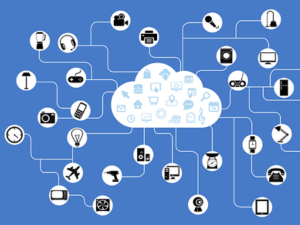
The Internet of Things (IoT) is a growing network of devices connected to the internet and each other. These include smart tools, security devices, wearables, and appliances. These devices make people’s lives easier and more convenient. But they can also come with security risks that put businesses in danger.

Cyberattacks on IoT devices are increasing, so it’s essential to understand common vulnerabilities.

Key IoT Security Issues

IoT security issues that can make businesses vulnerable to attacks include:

  • Weak authentication and authorization. Some IoT devices need better security measures. Also, some devices need to manage user permissions better.
  • Unsafe data storage and transfer. IoT devices often store sensitive information like usernames or personal data. Threat actors can steal this information if data storage is not secure or encrypted when transferred.
  • No privacy protection. IoT devices sometimes collect and share user data without proper permission or disclosure.
  • Bad device management. Some IoT devices have outdated software and firmware, making it easy for hackers to exploit.

These security issues show why it is vital to address IoT vulnerabilities. You must know what sections of your IoT system are vulnerable and act quickly to secure them.

Emerging Threats to IoT Devices

As the number of Internet of Things (IoT) devices continues to grow, so do the emerging threats that come with them. Recently, security researchers have discovered vulnerabilities in smart garage door openers and voice assistants that hackers can utilize.

Exploiting Smart Garage Door Openers

CISA recently reported that hackers could remotely open smart garage door openers. The problem was due to weak security in the device’s communication. Hackers can use this to open house garages without the owners knowing.

Ultrasonic Attacks on Voice Assistants

Researchers found a new ultrasonic attack that can send harmful commands to voice assistants in IoT devices. These attacks use sound waves we can’t hear to give commands to voice assistants. This allows hackers to control devices without anyone noticing.

The Impact of IoT Security Risks on Businesses

IoT security risks can cause significant problems for businesses, like:

  • Data breaches. Attackers can steal sensitive information, like customer data, financial records, and intellectual property.
  • Operational problems. Cyberattacks can make IoT devices stop working, causing downtime and lost productivity.
  • Financial losses. Data breaches can lead to lost money and damage a company’s reputation.
  • Legal and regulatory penalties. Businesses that don’t protect customer data can be fined and penalized by government authorities.

Protect Your Business From IoT Security Risks

As a business owner, protecting your company from IoT security risks is essential. Here are the steps you can take:

  • Change default passwords: Use strong, unique passwords for each IoT device.
  • Secure communication: Ensure your IoT devices use encrypted communication to protect data.
  • Update regularly: Keep your devices’ software and firmware up to date to fix known weaknesses.
  • Physical security. Put IoT devices in secure places to stop unauthorized access and tampering.

Protect your business and customers from the risks by staying informed about IoT security threats. Ensure your IoT devices’ security and provide training on IoT best practices.

Implementing a robust IoT security strategy can minimize potential threats. As a result, you can ensure a safer environment for your business operations and customer data.

Used with permission from Article Aggregator

AlienFox Malware: The Swiss Army Knife of Cloud Attacks

Researchers at SentinelLabs have uncovered a new, modular malware toolkit called “AlienFox.” Cybercriminals use AlienFox to breach email and web hosting services. It compromises misconfigured hosts on cloud platforms and takes sensitive data. 

You can often find this new toolkit in Telegram groups. Researchers call AlienFox a “Swiss Army knife” toolkit because of its versatility.

Understanding AlienFox

AlienFox is a modular malware toolkit. It has various components that can combine to suit the attacker’s needs. This allows cybercriminals to target services in unusual ways, increasing the malware’s effectiveness and potential damage. 

This type of malware is dangerous because it can attack a wide range of cloud services, posing a significant threat to businesses relying on the cloud.

How AlienFox Operates: Targeting Misconfigured Hosts

AlienFox utilizes security scanning platforms such as LeakIX and SecurityTrails. Through these platforms, it can generate a list of misconfigured hosts. The toolkit deploys scripts to extract sensitive information from configuration files, including API keys and other sensitive information. 

Later versions of AlienFox can establish AWS account persistence and escalate privileges. It can also collect send quotas and automate spam campaigns. These campaigns will use victim accounts and services to cause further damage.

The Impact on Businesses: Beyond Crypto Mining

With AlienFox, opportunistic cloud attacks have expanded beyond crypto mining. For businesses, the consequences of an AlienFox attack can be significant. It can include extra service costs, loss of customer trust, and remediation expenses. 

The malware has targeted numerous services, including Microsoft 365 and Google Workspace.

Protecting Your Cloud Services

To prepare for the threat, business owners should put in place the following measures:

  1. Ensure your cloud services have proper configuration to prevent unauthorized access. Review and update often to maintain security.
  2. Limit user access by granting only the necessary permissions for each role. This lowers the risk of an attacker gaining access to sensitive data or critical systems.
  3. Educate your employees on phishing attacks, suspicious links, and other cybercrime tactics. A well-informed workforce can help prevent breaches.
  4. Perform routine security assessments to identify potential vulnerabilities and address them.
  5. Establish a monitoring system to detect and respond to potential security incidents. Swift action can cut the damage caused by an attack.

Defending Your Business in the Online World

The AlienFox malware can pose a significant problem for those using cloud services. It can attack many different cloud services and can be easily changed by cyber criminals. Therefore, it presents a severe risk for businesses.

To protect your company from AlienFox and other online threats, staying informed and taking measures to keep your systems safe is essential. Ensure your cloud services are set up correctly and only give people the necessary access. Check your security protocols regularly and have a protocol to watch for any problems.

AlienFox is a reminder that the internet can be dangerous for businesses. You must be careful and adopt good security practices to protect your business and customers from online dangers. By implementing strong cybersecurity measures, you can stay protected from threats like AlienFox.

Used with permission from Article Aggregator

Schedule a Call