Blogs Archives - Page 21 of 59 - D1 Defend D1 Defend

Blogs Archives - Page 21 of 59 - D1 Defend D1 Defend

x

5 Ways Technology Can Streamline Your Business Operations and Save You Time

As a business owner, time is your most valuable resource. Every minute counts and any inefficiencies or bottlenecks can cost you dearly in terms of lost productivity, missed opportunities, and reduced profits. Fortunately, technology provides numerous tools and solutions that can help streamline operations while saving you time. Here are five ways technology can make running your company smoother:

Automate Your Repetitive Tasks: Sending emails, scheduling social media posts and generating reports can all be automated using tools like Zapier, IFTTT or Hootsuite. By automating these repetitive activities you free up time for more strategic activities that need your focus.

Utilize Cloud-Based Services: Cloud-based services such as Google Drive, Dropbox and Microsoft OneDrive enable you to store and access your files securely, access them from anywhere and collaborate with your team in real-time. This eliminates the need for email attachments, physical storage or time-consuming backups, streamlining your workflow.

Adopt Project Management Software: Project management software such as Asana, Trello or Basecamp can help you stay organized and on track with tasks, deadlines and team members. With these applications, assign tasks, set priorities, monitor progress and communicate with your team all from one place – saving you time and reducing confusion in the process.

Take Digital Payments: Digital payment solutions such as PayPal, Stripe or Square can simplify billing and payment processes, reduce paperwork and expedite cash flow. With these programs you can send and receive payments online, set up recurring payments automatically and track transactions – saving time while improving customer experience.

Implement Customer Relationship Management (CRM) Software: CRM software such as Salesforce, HubSpot or Zoho can help manage customer interactions, automate sales processes and enhance customer satisfaction. You’ll be able to track leads, deals and customer feedback while personalizing communication with them – saving time while increasing sales!

By adopting these five technology solutions, you can simplify your business operations, save time, and boost productivity. There are countless other tools and solutions out there; select those which meet your individual needs and goals. Time is money; every minute saved allows for growth within your business. Want to learn more about how technology can streamline your business operations and save you time? Call us today to schedule a free consultation.

Used with permission from Article Aggregator

SAP Releases Patches for Various Flaws

SAP, a leading business software company, recently released fixes for 19 bugs in its products.

Hackers could delete files, add code, or access sensitive data through some of these flaws. Four flaws have high severity, while 10 have a medium severity rating.

Understanding the SAP Vulnerabilities

SAP products that received security fixes include:

  • SAP NetWeaver AS for Java
  • SAP NetWeaver AP for ABAP
  • SAP NetWeaver Application Server for ABAP
  • SAP Business Objects Business Intelligence Platform

SAP’s Dominance in the Market

SAP is the world’s largest enterprise resource planning (ERP) company. It has over 400,000 customers and a market share of 24%.

Nine of 10 Forbes Global 2000 companies use SAP solutions. They are widely used for customer relationship management (CRM) and supply chain management (SCM).

Even though many people use SAP products, security breaches are rare. However, these security holes are a huge potential threat to companies.

Recent SAP-Related Incidents

Last year, the US Cybersecurity and Infrastructure Security Agency (CISA) warned about SAP vulnerabilities.

CISA advised administrators to patch SAP business apps’; critical security flaws to prevent data theft.

Also, in April 2021, hackers used fixed flaws in SAP systems to get into corporate and
government networks.

These networks didn’t have updated SAP systems. As a result, hackers could get into their networks and steal data.

What You Can Do As a Business Owner

To protect your business from potential threats, make sure to update your SAP systems as soon as possible.

You can follow these tips to safeguard your company:

1. Regularly check for updates and apply security patches as soon as they become available.
2. Monitor security advisories from SAP and CISA for the latest information on
vulnerabilities.
3. Conduct regular security audits to determine where your IT infrastructure might be weak.
4. Train your staff to recognize and report potential security risks.
5. Use multi-factor authentication to make user accounts safer.
6. To handle security breaches and cyberattacks, quickly create and maintain an incident
response plan.

If you quickly address software bugs and consistently reinforce your security, you can reduce the risks of cyberattacks and make your business safer. Steps to secure sensitive data will also help you build customer trust.

Even though cyber threats evolve, you can protect your company and your customers and
partners by actively fixing holes and following industry best practices.

Used with permission from Article Aggregator

Harnessing the Power of the Internet of Things (IoT) for Business

You may have heard the term Internet of Things (IoT) as a business owner. But are you aware of its extent and how it can benefit your company?

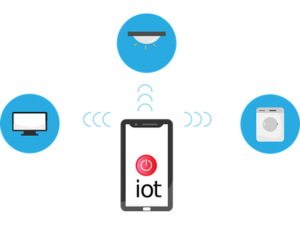
IoT is all about connecting everyday objects with sensors, software, and technology. This allows them to “talk” to each other over the internet. Connecting these devices creates new opportunities for businesses like yours.

IoT can boost your business in many ways. It can help enhance operations and make customers happier. It also lets you create new, cutting-edge products and services.

Unlocking the Benefits of IoT for Your Business

One main reason to use IoT is to make your business run smoother. IoT devices can automate tasks, keep track of inventory, and watch equipment performance as it happens. This can help you save money, boost your business’s efficiency, and reduce downtime.

Think of an IoT-enhanced bakery, for example. The bakery could use IoT sensors to check oven temperatures from anywhere. This ensures the baking process goes right and lowers the chance of ruined products.

Enhancing Customer Experiences With IoT

Great customer experiences are critical to your business’s success in today’s challenging market. IoT helps you understand your customers better by gathering important data.

With this data, you can make customer interactions more personal. You can recommend products and services they’ll enjoy and expect their future needs.

One example is a retail store using IoT sensors to study how customers move around. This info helps the store arrange products and offers in a way that boosts sales.

IoT and Data Security: Protecting Your Business

IoT has many advantages, but it’s crucial to consider the risks as well. Data security is one of the main concerns.

Adding more devices to your network can make cyberattacks more likely. So, how can you protect your business?

You can use strong security measures like encryption and keep your software updated. You should also train your employees. With these steps, you can enjoy the benefits of IoT and keep your data and assets safe.

The Future Is Bright: Embracing IoT for Business Growth

IoT technology is growing fast, and it is changing the way businesses work. If you start using IoT now, your company can stay successful in the long run. This helps you stay ahead in a constantly changing market.

Don’t be scared of new tech; embrace IoT in your business plan and discover its benefits.

Used with permission from Article Aggregator

Why Your Business Needs a Knowledge Management System

What if you could download and store industry-related knowledge from each employee at your business? A knowledge management system (KMS) does just that. It streamlines the way businesses organize and share their collective knowledge for current and new employees to easily access and utilize while carrying out their responsibilities.

What Is a Knowledge Management System?

A knowledge management system protects a company’s information assets while putting that information to daily use. A KMS prevents outside parties from accessing unauthorized information while letting current employees access this information to improve their productivity.

A good knowledge management design includes:

  • Engaging information about different aspects of business operations
  • Processes and directives that demonstrate how staff members should interact with each other and the organization as a whole
  • Intuitive interface for easy use
  • Excellent security features

Some business leaders opt for a pre-designed KMS, such as Bloomfire. Others hire software designers to craft a custom KMS for their organization.

Why Do You Need a Knowledge Management System?

A well-designed knowledge management system vastly improves many areas of personal interaction and operational minutia. It prevents company leaders from repeating the same information, techniques, or training instructions. That way, you can spend more time helping your business make valuable progress while the system helps trainees and even veteran staff members become more comfortable and knowledgeable in their roles.

Benefits of a knowledge management system include:

  • Internal innovation and progress
  • Better customer and employee relationships
  • Accessible and intuitive information available at your fingertips
  • Elimination of redundant but necessary tasks
  • Well-crafted, authentic company culture

You see, a KMS does more than make information readily available. It can transform the entire business and brand.

How to Implement a Knowledge Management System

Like any successful venture, KMS integration requires a clear plan with defined objectives. Your first step should involve preparation that includes your staff members and answers questions like:

  • What do they want to see in the new KMS?
  • What features would improve and streamline their daily responsibilities?
  • With what do they currently struggle with that software might resolve?

Use the responses to formulate an overall objective. You should also outline methods for measuring the system’s overall success.

System Organization and Maintenance Best Practices

The keys to an organized, maintained knowledge management system are:

  • Regular updates and bug fixes to improve the interface
  • Check-ins with your staff members to gauge how to improve the system
  • An IT team that to manage maintenance, updates, and fixes
  • The ability to improve and expand the system to better suit your needs

Real-world Impact of Knowledge Management Systems: A Case Study

One knowledge management case study of an organization called Pathfinder International documented a system that made unrecorded “tacit” knowledge more available. The study found that usage of the system increased by 44% over a one-year period, and 96% of employees surveyed said they found what they needed in the knowledge management system.

Your business could take advantage of these positive impacts with a knowledge management system that fits your business’s needs.

Used with permission from Article Aggregator

Boosting Customer Service with Technology

Providing top-notch customer service to small businesses can be challenging. Keeping up with customer inquiries and meeting expectations for quick and effective assistance can be challenging with limited resources. However, with technological advancements, small businesses now have access to tools that can help them deliver better customer service and build customer loyalty.

Chatbots

Using artificial intelligence (AI), chatbots can answer customer questions 24/7. They provide instant assistance, answer frequently asked questions, assist with purchases, or escalate problems to live agents. As a result, chatbots can improve response times and reduce customer frustration by providing quick and easy access to information. In addition, chatbots can handle multiple client inquiries at once, freeing up live agents to address more complex issues.

CRM systems

Customer Relationship Management (CRM) systems help companies manage customer interactions and data all in one place. Businesses can track customer interactions with a CRM system, gather information about their preferences and purchasing history, and use the information to personalize customer service experiences. By having a complete overview of customer interactions, businesses can resolve issues more efficiently, increase customer satisfaction, and identify patterns or trends in customer behavior.

Automated email and SMS messaging

Businesses can communicate with their customers quickly and efficiently using automated messaging. For example, these messages could provide order updates, offer special promotions, or send follow-up surveys to get customer feedback. Furthermore, automated messaging can streamline communication processes and help live agents focus on more complex issues by reducing their workload.

Social media management

Often, customers prefer to reach out to businesses through social media for customer service inquiries. By utilizing social media management tools, businesses can quickly track and respond to these inquiries, improving their online presence and customer satisfaction. In addition, using social media management tools can also help businesses monitor their online reputations, address negative reviews, and gain insights into their customers.

The ability to provide exceptional customer service in today’s fast-paced business world is critical for success. Through technology, small businesses can provide fast and effective support, resolve issues efficiently, and build long-term customer relationships. These technologies help small businesses differentiate themselves from their competitors and position them for future growth and success. By delivering outstanding customer service, small businesses can establish themselves as leaders in their industry, win customer loyalty, and secure a strong and thriving future.

Used with permission from Article Aggregator

Schedule a Call