Threat Intel Archives - Page 5 of 9 - D1 Defend D1 Defend

Threat Intel Archives - Page 5 of 9 - D1 Defend D1 Defend

x

Threat Intelligence: The Ever-Present Danger of Supply Chain Attacks

Posted: December 8, 2023

The situation with the Citrix Bleed vulnerability has escalated.   

At least 60 credit unions across the U.S. have been knocked offline by a ransomware attack against their 3rd party cloud provider in the past few days. Citrix Bleed was the attacker’s way in, but this email isn’t just about another vulnerability.  

This email is about something far worse: supply chain attacks! We’re seeing case after case of devastating supply chain attacks that are crippling critical infrastructure, leaving everyday businesses as victims. 

One of the largest examples of this unfolded on July 2, 2021 against Kaseya, a Miami-based software company, a case that brings into focus the level of damage that can be inflicted by a supply-chain attack.  That attack against Kaseya disrupted nurseries, schools, pharmacies, and supermarkets in 17 countries.  Millions of people were impacted. 

Supply chain attacks are tricky because they work through existing relationships, and you can’t simply block them. Your MSP’s reputation is on the line, and guess what?  If hackers use you to get to your clients, your clients are in danger because of you. So, if you don’t take proactive steps, you’ve unknowingly added trojan horse software to your whitelists. 

Throughout 2023 we’ve seen attack after attack.  You may remember some of the major ones: 

  • February 2023 – Applied Materials Supply Chain Attack: A key partner of Applied Materials was targeted, causing a staggering $250 million loss in Q1 2023. This caused significant shipment delays and financial turmoil! 
  • February 2023 – University of San Francisco Attack: Imagine a doctor not being able to operate because of a system being offline for several days. Staff members were unable to access records or schedule surgeries and personal information belonging to clinical trial participants was stolen.  
  • March 2023 – 3CX Supply Chain Attack: Malware was silently delivered to and hidden in a number of client organizations. It acted as a ticking time bomb, with the hackers in control of the detonator switch.
  • June 2023 – MOVEit Supply Chain Attack: Personal data and flight safety was compromised in a massive breach, compromising travel security for thousands. 

Supply Chain Attacks are no joke. We anticipate more issues around supply chain attacks with entry ways such as the Citrix Bleed vulnerability. 

Once you deploy a product, your vendor is given unchecked access to your network. You need to commit to becoming vigilant and increasing the readiness of your MSP and your clients. 

What’s the solution? Start by using a Level 1 pen test to see if you find any vulnerabilities in your client’s environment. 

Then, meet with the client to establish a recurring cadence with comprehensive, Level 3 pen tests that demonstrate supply chain attack vectors. One weak link can totally devastate your reputation, and it’s important that you’re not blindsided by that reality. 

Having a comprehensive test done regularly is the major line of defense to stop a supply chain compromise. You can use your quarterly meetings to guide clients to go from basic defense to a powerful shield of defense in layers

As you continue to prepare your clients to survive a supply chain risk in the New Year, we want you to know that we’ve got your back. We’ll be adding additional details related to supply chain attacks in our pen test findings to ensure you don’t become a victim of a hacker with unchecked control over your clients. 

Please, don’t ignore this invisible threat, reach out to your PSM about recurring Level 3 pen tests for you and your clients today before a mistake that some other company made becomes your problem. 

Contact Us Today!

SAP Releases Patches for Various Flaws

SAP, a leading business software company, recently released fixes for 19 bugs in its products.

Hackers could delete files, add code, or access sensitive data through some of these flaws. Four flaws have high severity, while 10 have a medium severity rating.

Understanding the SAP Vulnerabilities

SAP products that received security fixes include:

  • SAP NetWeaver AS for Java
  • SAP NetWeaver AP for ABAP
  • SAP NetWeaver Application Server for ABAP
  • SAP Business Objects Business Intelligence Platform

SAP’s Dominance in the Market

SAP is the world’s largest enterprise resource planning (ERP) company. It has over 400,000 customers and a market share of 24%.

Nine of 10 Forbes Global 2000 companies use SAP solutions. They are widely used for customer relationship management (CRM) and supply chain management (SCM).

Even though many people use SAP products, security breaches are rare. However, these security holes are a huge potential threat to companies.

Recent SAP-Related Incidents

Last year, the US Cybersecurity and Infrastructure Security Agency (CISA) warned about SAP vulnerabilities.

CISA advised administrators to patch SAP business apps’; critical security flaws to prevent data theft.

Also, in April 2021, hackers used fixed flaws in SAP systems to get into corporate and
government networks.

These networks didn’t have updated SAP systems. As a result, hackers could get into their networks and steal data.

What You Can Do As a Business Owner

To protect your business from potential threats, make sure to update your SAP systems as soon as possible.

You can follow these tips to safeguard your company:

1. Regularly check for updates and apply security patches as soon as they become available.
2. Monitor security advisories from SAP and CISA for the latest information on
vulnerabilities.
3. Conduct regular security audits to determine where your IT infrastructure might be weak.
4. Train your staff to recognize and report potential security risks.
5. Use multi-factor authentication to make user accounts safer.
6. To handle security breaches and cyberattacks, quickly create and maintain an incident
response plan.

If you quickly address software bugs and consistently reinforce your security, you can reduce the risks of cyberattacks and make your business safer. Steps to secure sensitive data will also help you build customer trust.

Even though cyber threats evolve, you can protect your company and your customers and
partners by actively fixing holes and following industry best practices.

Used with permission from Article Aggregator

Simplifying Cybersecurity: Microsoft’s Security Copilot AI Assistant

Microsoft released a game-changing way to protect against cyberattacks. This AI-powered assistant, called Security Copilot, can find threats faster than ever. It could revolutionize how businesses keep their digital assets safe.

Security Copilot uses OpenAI’s GPT-4. Microsoft’s “security-specific” AI model is also part of its structure. Security Copilot is designed to better summarize and make sense of threats than any tool before.

How Security Copilot Does Its Job

Some elements in Security Copilot come from other Microsoft security tools. With the help of AI, Security Copilot can give customized advice to any business.

With Security Copilot, Microsoft aims to simplify identifying and organizing threat intelligence. As a result, analysts will be able to spot malicious behavior more quickly.

Through a ChatGPT-like interface, users answer security questions. These interactions provide Security Copilot information to work on. It can be adjusted to fit each business environment and give custom advice.

Benefits for Security

Microsoft has made Security Copilot work well with cybersecurity teams. It gives defenders more ways to keep track of intelligence.

The AI assistant helps them learn from the information they already have and compare the threats they face. This can lead to faster decision-making.

This tool aids security teams in many ways:

  • It catches what others may miss by correlating and summarizing attack data.
  • It also prioritizes incidents and recommends the best course of action. This ensures timely remediation of diverse threats.
  •  Security Copilot can also learn and improve over time. This ensures that security teams stay up to date. They get the newest information about attackers, tactics, and procedures.

Collaboration and Communication Features

Security Copilot has features that make it easier for teams to work together. It can track what a user has done in the past to map out potential problems and create summaries. Colleagues can learn about the project and get up to speed.

The system can also make presentation materials automatically. Then, teams can share information with people outside of their department.

Use Security Copilot to Your Advantage

You can use Security Copilot to improve your security. Consider these steps:

  1. Keep an eye on the latest advancements in cybersecurity tools like Security Copilot.
  2. Check your current security measures. Consider integrating Microsoft’s security ecosystem to enhance protection and threat response capabilities.
  3. Encourage training and education on cybersecurity best practices and their benefits.

AI tools like Security Copilot help companies identify and address cyber threats. They provide vital threat information so that you can take the appropriate action. In addition, they automate tasks and enable wider collaboration between security teams.

What does this mean to you as a business owner? With cybercrime increasing, focusing on security is essential more than ever. AI tools provide another layer of defense against attacks. In this regard, embracing AI tools is a wise decision for any business owner.

Used with permission from Article Aggregator

The Risks of IoT Devices: How to Secure Your Business

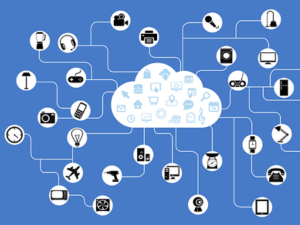
The Internet of Things (IoT) is a growing network of devices connected to the internet and each other. These include smart tools, security devices, wearables, and appliances. These devices make people’s lives easier and more convenient. But they can also come with security risks that put businesses in danger.

Cyberattacks on IoT devices are increasing, so it’s essential to understand common vulnerabilities.

Key IoT Security Issues

IoT security issues that can make businesses vulnerable to attacks include:

  • Weak authentication and authorization. Some IoT devices need better security measures. Also, some devices need to manage user permissions better.
  • Unsafe data storage and transfer. IoT devices often store sensitive information like usernames or personal data. Threat actors can steal this information if data storage is not secure or encrypted when transferred.
  • No privacy protection. IoT devices sometimes collect and share user data without proper permission or disclosure.
  • Bad device management. Some IoT devices have outdated software and firmware, making it easy for hackers to exploit.

These security issues show why it is vital to address IoT vulnerabilities. You must know what sections of your IoT system are vulnerable and act quickly to secure them.

Emerging Threats to IoT Devices

As the number of Internet of Things (IoT) devices continues to grow, so do the emerging threats that come with them. Recently, security researchers have discovered vulnerabilities in smart garage door openers and voice assistants that hackers can utilize.

Exploiting Smart Garage Door Openers

CISA recently reported that hackers could remotely open smart garage door openers. The problem was due to weak security in the device’s communication. Hackers can use this to open house garages without the owners knowing.

Ultrasonic Attacks on Voice Assistants

Researchers found a new ultrasonic attack that can send harmful commands to voice assistants in IoT devices. These attacks use sound waves we can’t hear to give commands to voice assistants. This allows hackers to control devices without anyone noticing.

The Impact of IoT Security Risks on Businesses

IoT security risks can cause significant problems for businesses, like:

  • Data breaches. Attackers can steal sensitive information, like customer data, financial records, and intellectual property.
  • Operational problems. Cyberattacks can make IoT devices stop working, causing downtime and lost productivity.
  • Financial losses. Data breaches can lead to lost money and damage a company’s reputation.
  • Legal and regulatory penalties. Businesses that don’t protect customer data can be fined and penalized by government authorities.

Protect Your Business From IoT Security Risks

As a business owner, protecting your company from IoT security risks is essential. Here are the steps you can take:

  • Change default passwords: Use strong, unique passwords for each IoT device.
  • Secure communication: Ensure your IoT devices use encrypted communication to protect data.
  • Update regularly: Keep your devices’ software and firmware up to date to fix known weaknesses.
  • Physical security. Put IoT devices in secure places to stop unauthorized access and tampering.

Protect your business and customers from the risks by staying informed about IoT security threats. Ensure your IoT devices’ security and provide training on IoT best practices.

Implementing a robust IoT security strategy can minimize potential threats. As a result, you can ensure a safer environment for your business operations and customer data.

Used with permission from Article Aggregator

Understanding Microsoft Phishing Attacks: How to Protect Yourself

Microsoft is now the go-to disguise for cybercriminals launching phishing attacks. But a closer look can save you and your business from falling prey. It’s all about slowing down, observing, and analyzing.

The Rising Phishing Tide

The latest data from Check Point’s Threat Intelligence rings the alarm bells. Microsoft has shot up to the top spot for brand phishing attempts in the second quarter of 2023. It accounts for 29% of these attempts, up from third place in the earlier quarter. Microsoft now outpaces Google and Apple.

Over half of the brand imitation attacks came from these three tech companies.

Windows and Microsoft 365 customers around the globe are the targets of a new surge of fake emails. The phishing hooks dangle tempting baits. They imitate Microsoft’s look, hoping you’ll bite.

One recent phishing scam spotted by Check Point analysts involved a false Microsoft account sign-in alert. It lured users into clicking a harmful link. These links are designed to grab anything they can. From login details to payment information, nothing is off-limits.

How to Spot and Avoid Phishing Attacks

Phishing tricks come in many forms. Emails, texts, and social media messages all serve as lures. They look real and urgent, playing on your fears. Once you click on a link, a fake login portal appears. It might look compelling. If you enter your details, it gives them the chance to steal your sensitive data.

Here’s how you can protect yourself:

  • Look for Errors: Spotting errors in the URL, domain, and message can help. If anything seems off, it could be a phishing attempt.
  • Slow Down: Don’t let a sense of urgency force you into hasty actions. Take your time to assess unexpected alerts or requests.
  • Analyze: Make sure to examine any message carefully before taking action. Legitimate entities typically avoid asking for sensitive information via email or text.

Standing Guard Against Phishing

Phishing isn’t a new problem, but it keeps evolving. And as the Microsoft phishing attack shows, it’s growing more sophisticated. But you’re not helpless. Spotting discrepancies and being mindful of the signs can go a long way in keeping critical information about your business, customers, and partners safe. Slowing down, observing, and analyzing is the key to outsmarting phishing attempts. It’s your best defense in the face of this persistent online threat.

Used with permission from Article Aggregator

Schedule a Call